
The Importance of Identity Remediation in Healthcare IT Security
In the ever-evolving landscape of healthcare IT, security remains a paramount concern. As technology advances, so do the tactics of cybercriminals. This makes identity remediation an essential component of a robust healthcare IT security strategy. Identity remediation refers to the processes and measures taken to ensure that only authorized individuals have access to sensitive healthcare data.
Identity remediation plays a critical role in protecting patient data and maintaining the integrity of healthcare systems. With the increasing digitization of health records and the rise of telehealth services, ensuring that identities are verified and secure has never been more important.

Understanding Identity Remediation
Identity remediation involves multiple steps to protect and manage user identities within healthcare systems. This includes verifying user identities, managing access permissions, and monitoring for suspicious activities. By implementing these measures, healthcare organizations can significantly reduce the risk of unauthorized access and data breaches.
The process often involves tools such as multi-factor authentication (MFA), identity and access management (IAM) systems, and regular audits to ensure compliance with security protocols. These tools help in verifying user identities and preventing unauthorized access.
The Role of Multi-Factor Authentication
Multi-factor authentication is a cornerstone of identity remediation. It requires users to provide multiple forms of verification before accessing sensitive data. This could include something they know (a password), something they have (a smart card), and something they are (a fingerprint).
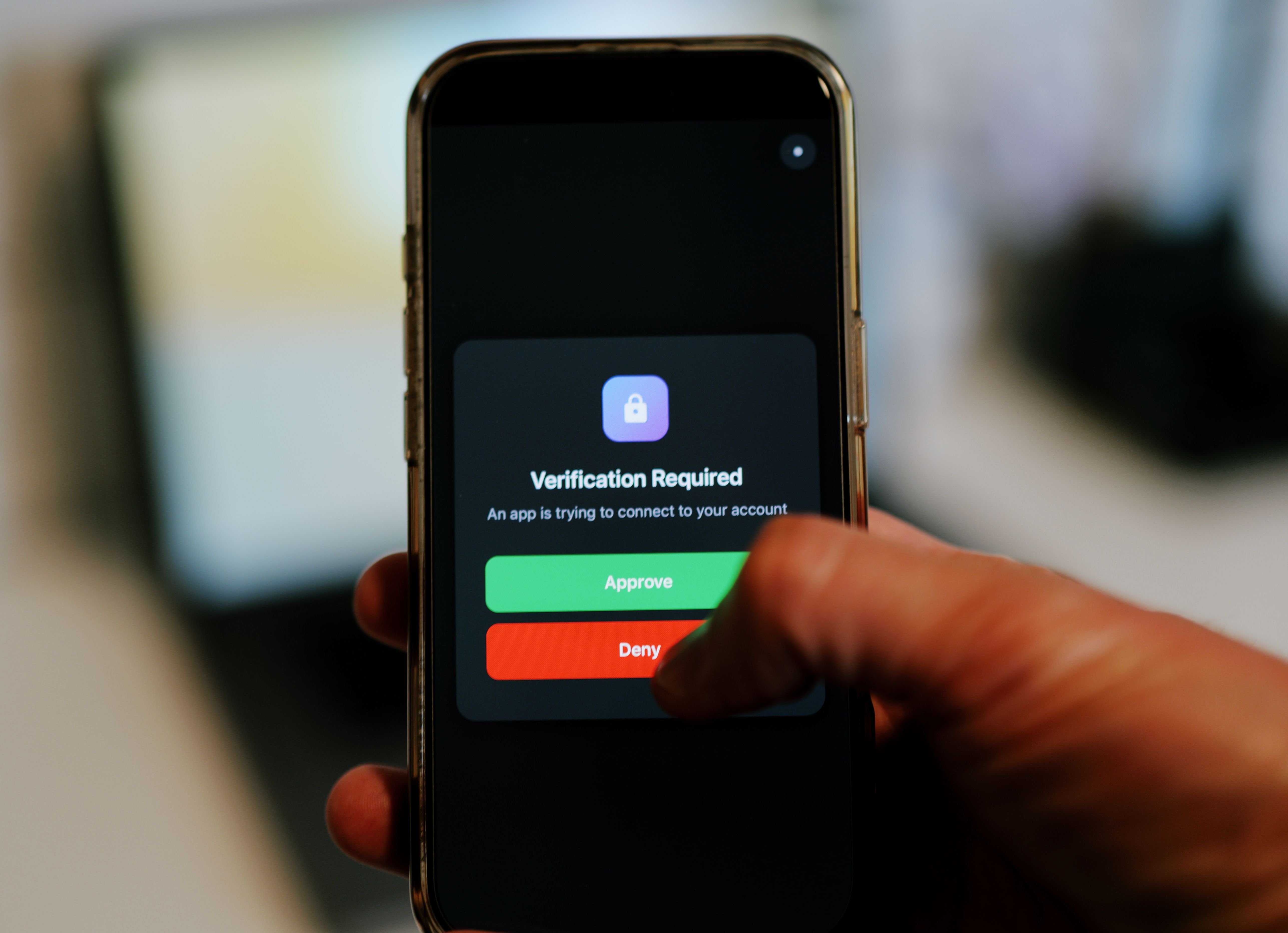
By implementing MFA, healthcare organizations add an extra layer of security, making it much harder for cybercriminals to gain access using stolen credentials. This is particularly important in healthcare, where unauthorized access to patient data can have severe consequences.
Benefits of Robust Identity Remediation
Implementing strong identity remediation practices offers numerous benefits. Firstly, it enhances data protection by ensuring that only authorized personnel can access sensitive information. Secondly, it helps healthcare organizations comply with regulations such as HIPAA, which mandates the protection of patient information.
Moreover, identity remediation can improve operational efficiency. By streamlining access management and reducing the risk of breaches, healthcare providers can focus more on delivering quality patient care rather than dealing with security incidents.

Challenges in Implementing Identity Remediation
Despite its importance, implementing identity remediation in healthcare can be challenging. It requires investment in technology and training, as well as ongoing monitoring and updates. Additionally, healthcare providers must balance security with user convenience to ensure that security measures do not hinder the delivery of care.
There is also the challenge of keeping up with evolving threats. Cybercriminals continually adapt their tactics, making it essential for healthcare organizations to regularly update their security measures and stay informed about the latest threats.
Conclusion
In conclusion, identity remediation is a vital aspect of healthcare IT security. By ensuring the right individuals have access to the right information, healthcare organizations can protect patient data, comply with regulations, and enhance operational efficiency. As the healthcare industry continues to embrace digital transformation, robust identity remediation strategies will be crucial in safeguarding sensitive information.