
Identity and Access Hardening: Strengthening Security for Mission-Driven Organizations
In today's digital landscape, mission-driven organizations are increasingly reliant on technology to achieve their goals. However, with this reliance comes the imperative need for robust security measures. One of the most crucial aspects of this is Identity and Access Hardening, which ensures that only authorized individuals have access to sensitive information and systems.

Understanding Identity and Access Management (IAM)
Identity and Access Management (IAM) is a framework of policies and technologies that facilitate the management of electronic or digital identities. With IAM, organizations can control user access to critical information, ensuring that the right individuals have the appropriate access levels. This is particularly essential for mission-driven organizations, where the integrity and confidentiality of data are paramount.
IAM solutions typically involve user authentication, authorization, and centralized management of access controls. By implementing a robust IAM system, organizations can protect against unauthorized access and potential data breaches.
The Importance of Access Hardening
Access hardening refers to the process of enhancing security by implementing stringent access control measures. This involves not only setting precise permissions but also continuously monitoring and adjusting these permissions as needed. For mission-driven organizations, access hardening is vital as it ensures that sensitive data remains protected from both internal and external threats.

Strategies for Strengthening Security
There are several strategies that organizations can adopt to bolster their IAM systems:
- Multi-Factor Authentication (MFA): Implementing MFA adds an extra layer of security by requiring users to provide two or more verification factors to gain access.
- Role-Based Access Control (RBAC): RBAC involves assigning permissions to users based on their roles within the organization. This limits access to only what is necessary for their job functions.
- Regular Audits and Monitoring: Continuous monitoring and regular audits help identify and rectify vulnerabilities in access controls.
Implementing Strong Password Policies
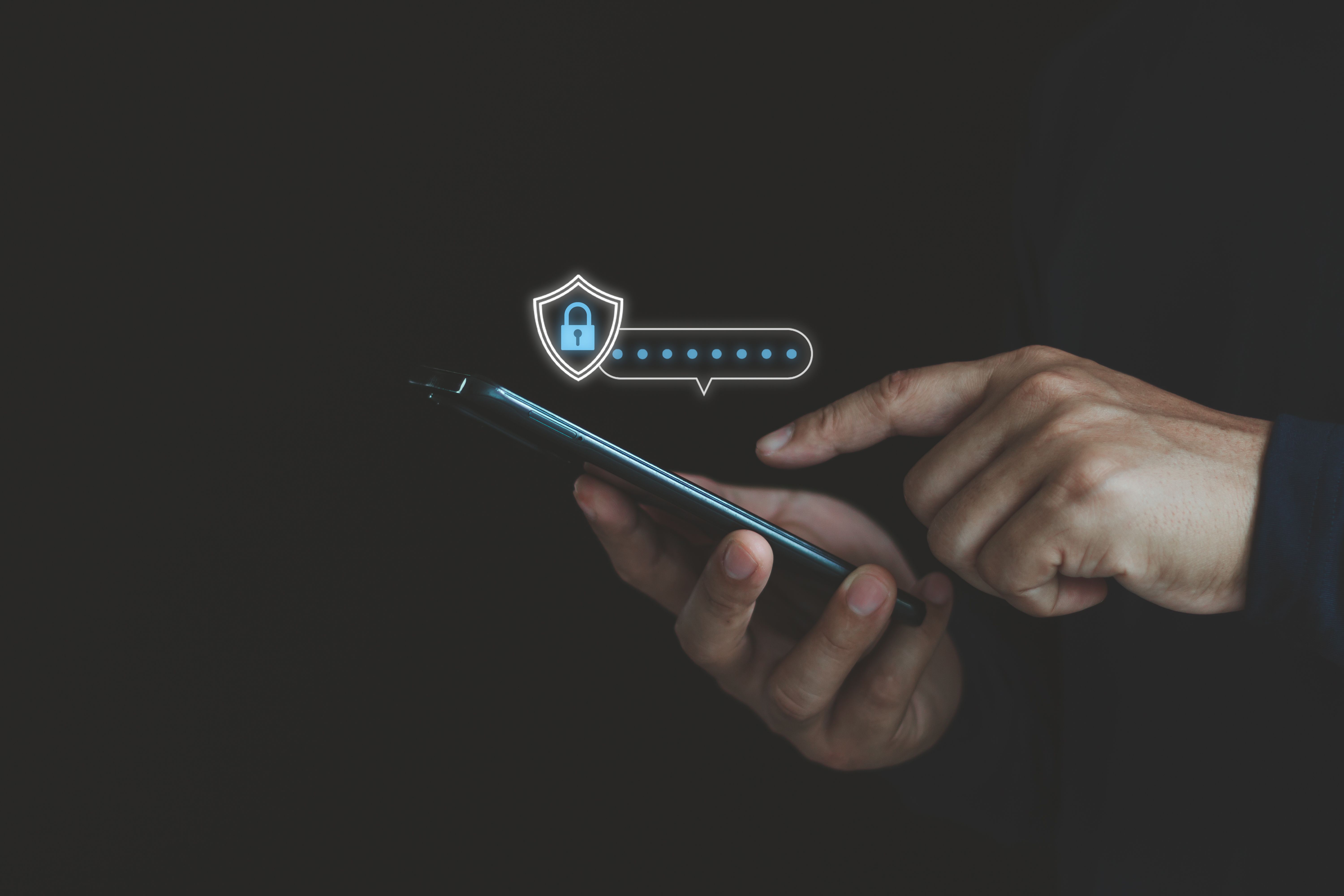
Passwords are often the first line of defense against unauthorized access. Implementing strong password policies is crucial for any organization. Encourage the use of complex passwords, regular updates, and the use of password managers to enhance security. Additionally, educating staff on the importance of password security can prevent common pitfalls such as password reuse or sharing.
Technology and Tools for Enhanced Security
Utilizing advanced technology and tools can significantly enhance the security posture of mission-driven organizations. Solutions such as biometric authentication, single sign-on (SSO), and identity analytics provide sophisticated methods for managing identities and access. These technologies help streamline access while ensuring rigorous security protocols are in place.
Creating a Culture of Security Awareness
Beyond technological solutions, fostering a culture of security awareness is critical. Organizations should invest in regular training sessions and workshops to keep staff informed about the latest security threats and best practices. A well-informed team is a crucial component in defending against cyber threats.
By prioritizing Identity and Access Hardening, mission-driven organizations can protect themselves from potential security breaches, ensuring the confidentiality and integrity of their sensitive data. As technology continues to evolve, staying ahead of security threats with proactive measures is more important than ever.