
Identity and Access Hardening: A Critical Step for Nonprofit IT Security
Understanding the Importance of Identity and Access Hardening
In the digital landscape, nonprofit organizations are increasingly becoming targets for cyberattacks. With limited resources and budgets, these organizations often struggle to implement robust IT security measures. One critical aspect of securing their digital infrastructure is identity and access hardening.
Identity and access hardening involves strengthening the processes that protect user identities and control access to sensitive data. By implementing these measures, nonprofits can significantly reduce the risk of unauthorized access and data breaches.

The Risks Nonprofits Face
Nonprofits often handle sensitive information, including donor data, financial records, and personal details of beneficiaries. This makes them attractive targets for cybercriminals who are looking for valuable information. Unfortunately, many nonprofits lack the necessary resources to invest in comprehensive cybersecurity solutions.
Without proper identity and access management, these organizations risk compromising their integrity and the trust of their stakeholders. It is imperative for nonprofits to recognize these risks and take proactive steps to mitigate them.

Key Strategies for Identity and Access Hardening
Implementing effective identity and access hardening strategies can be a game-changer for nonprofits. Here are some essential steps they can take:
- Multi-Factor Authentication (MFA): Require users to provide two or more verification factors to gain access to the network.
- Role-Based Access Control (RBAC): Assign permissions based on user roles to limit access to sensitive information.
- Regular Audits and Monitoring: Conduct regular reviews of access logs and user activities to detect any suspicious behavior.
Implementing Multi-Factor Authentication
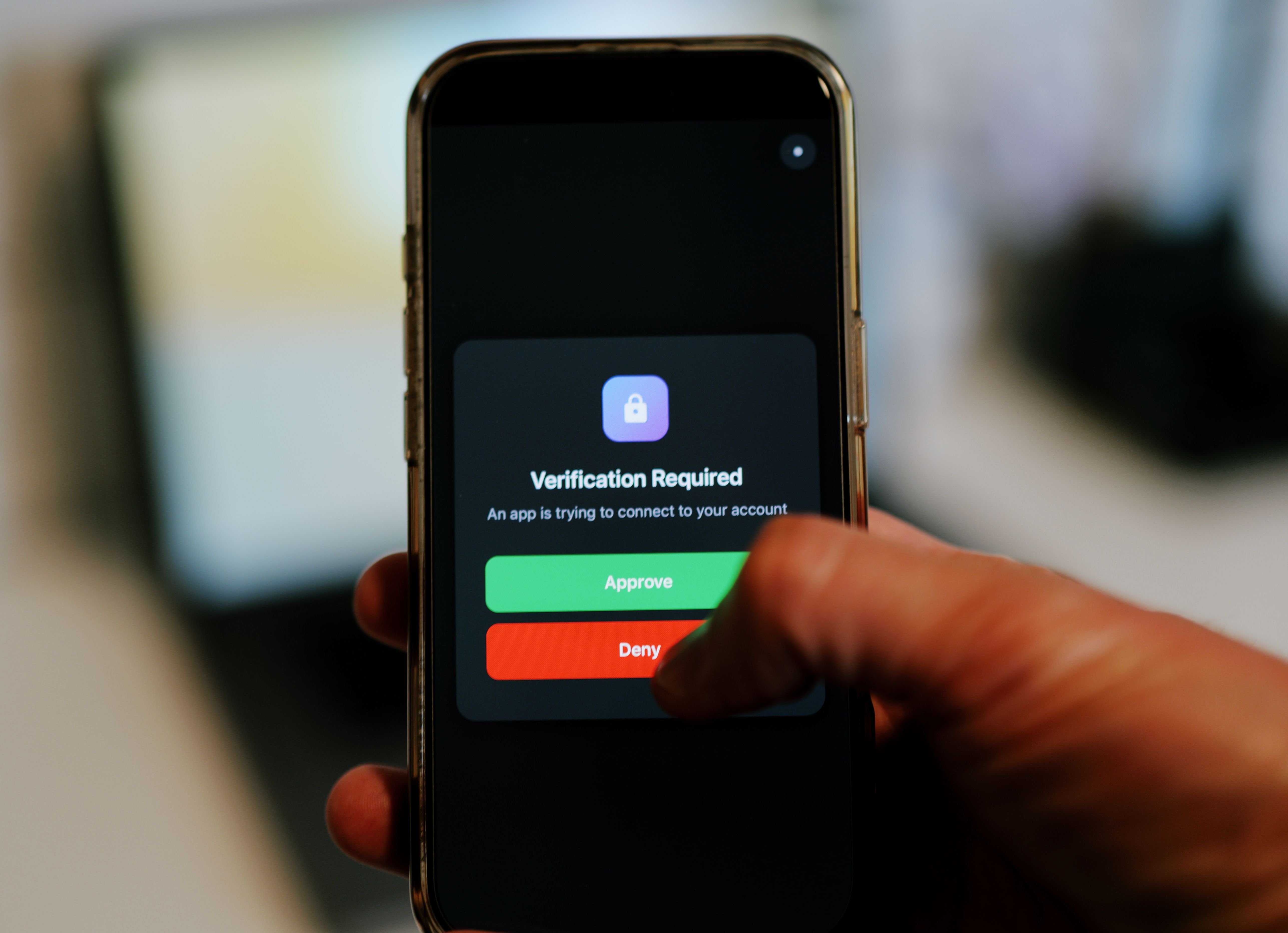
One of the simplest but most effective strategies for identity and access hardening is the implementation of multi-factor authentication. By requiring additional verification steps, nonprofits can add an extra layer of security, making it difficult for unauthorized users to breach their systems.
MFA can be implemented through various methods such as SMS codes, authentication apps, or biometric verification, depending on the organization's needs and resources.
Role-Based Access Control for Enhanced Security
Role-Based Access Control (RBAC) is another crucial strategy that nonprofits can use to strengthen their security posture. By assigning permissions based on user roles, organizations ensure that individuals only have access to the information necessary for their tasks.
This minimizes the risk of data exposure and helps in maintaining a clear structure of who has access to what information, thus enhancing overall security management.
The Importance of Regular Audits and Monitoring
Regular audits and continuous monitoring are indispensable components of a robust identity and access management strategy. By keeping a close eye on access logs and user activities, nonprofits can quickly identify and respond to any signs of unauthorized access or unusual behavior.
These practices not only help in detecting potential threats but also provide valuable insights for improving existing security measures.

Conclusion: A Vital Investment for Nonprofits
For nonprofit organizations, investing in identity and access hardening is not just a technical necessity, but a critical step in safeguarding their mission and reputation. By taking proactive measures to secure their IT infrastructure, nonprofits can protect sensitive information, maintain stakeholder trust, and continue to focus on their core objectives without the looming threat of cyberattacks.
While the journey to comprehensive IT security may seem daunting, the benefits of implementing these strategies far outweigh the challenges, making it a vital investment for any nonprofit committed to digital safety.